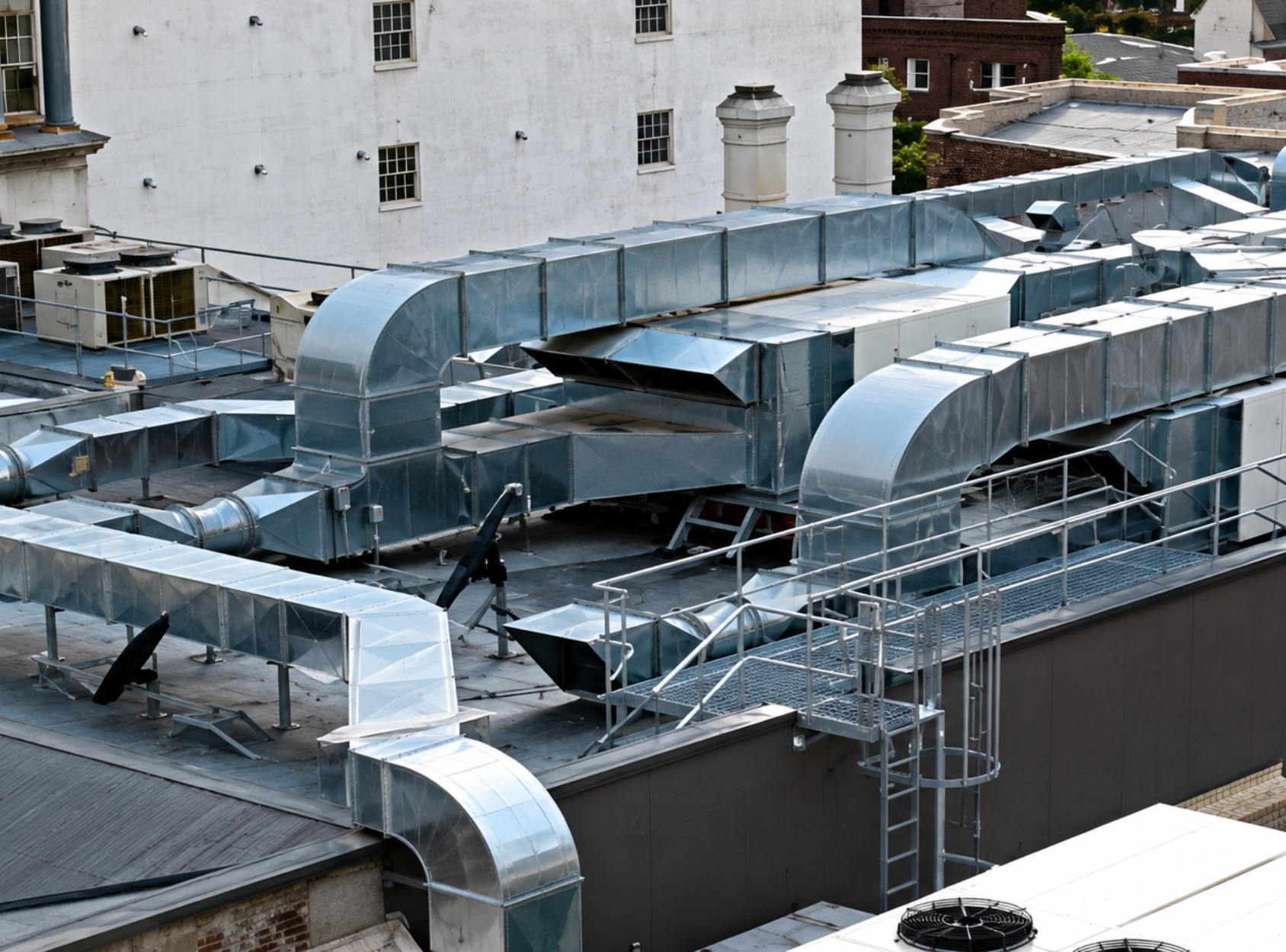
Sewage treatment facilities can release hydrogen sulphide and other strong-smelling compounds. A correctly designed ozone contact stage can oxidize selected odour compounds within an enclosed exhaust-treatment system.
Key Benefits
- Strong odour-compound oxidation
- Support for improved site air quality
- Compact integration with duct systems
- Automated dosing and monitoring
Application Engineering
Design inputs include exhaust airflow, temperature, humidity, contaminant concentration, contact time and ventilation pattern. Ozone must be contained, monitored and prevented from reaching occupied areas.
How the System Works
Oxygen feed is prepared, converted to ozone through electrical discharge, transferred into the treatment medium and given sufficient contact time. Monitoring and safety controls verify performance and manage residual ozone.
Discuss your application
Share your flow, treatment objective and operating conditions with our engineering team.
Request a Recommendation